Kings Road rubbish removal guide for Chelsea homes
Posted on 02/07/2026
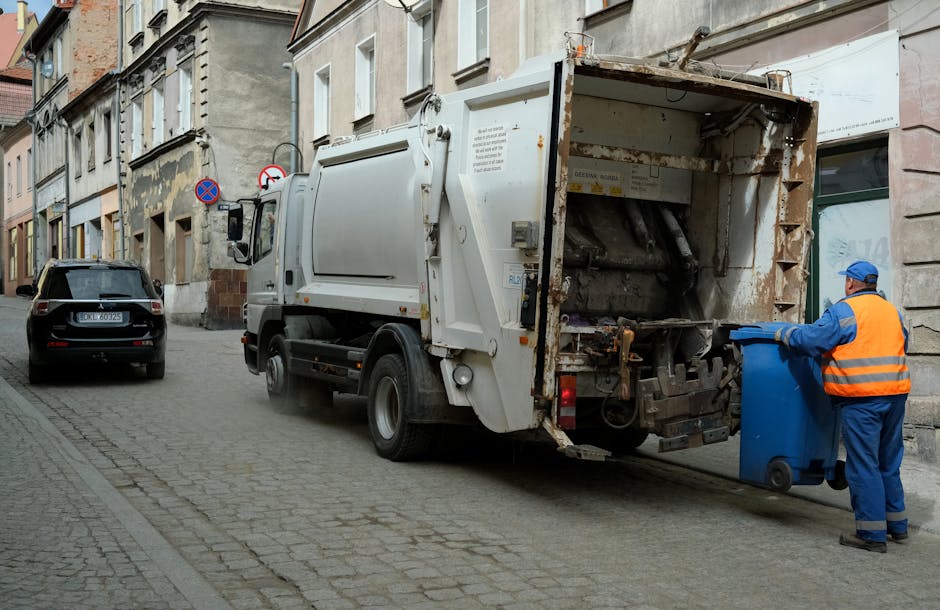
If you live near Kings Road, you already know the rhythm of Chelsea life: deliveries in tight windows, basement flats with awkward access, mews houses with no room for bulky waste, and communal bins that seem full before the week has even started. That is exactly why a practical Kings Road rubbish removal guide for Chelsea homes matters. It is not just about getting rid of junk. It is about doing it neatly, safely, and without turning a simple clear-out into a whole weekend headache.
Whether you are clearing after a move, dealing with renovation debris, or just tired of the spare room becoming a graveyard for broken furniture and old boxes, the right approach can save time, protect your property, and keep everything moving smoothly. Below, you will find a grounded, local guide to how rubbish removal works around Kings Road, what to expect, what to avoid, and how to choose the most sensible option for your home.
Why Kings Road rubbish removal guide for Chelsea homes Matters
Kings Road is one of those stretches where space, timing, and discretion all matter. A pile of rubbish outside a Chelsea townhouse is not just unsightly; it can create access problems, annoy neighbours, and attract fines or complaints if left too long. In practice, rubbish removal in this part of London is often less about brute force and more about logistics. That sounds dull, I know, but it is the difference between a smooth collection and a stressful day with a hallway full of old wardrobe panels.
For Chelsea homes, the challenge is often the property itself. You may have narrow staircases, shared entrances, limited parking, or strict building rules. Even something as simple as moving a sofa can require a bit of planning. Add in mixed waste from a clear-out, and suddenly the job becomes more than just "take it away."
This is also where a local service approach tends to help. A team familiar with the area understands Kings Road traffic patterns, access constraints, and the need to work tidily. That local awareness matters. Not glamorous, but absolutely useful.
If you are also thinking about a larger property project, such as preparing a home for sale, it can help to read related Chelsea insights like how to sell property in Chelsea or broader local context in the Chelsea lifestyle from a local point of view. Rubbish removal often sits inside a bigger life change, not in isolation.
How Kings Road rubbish removal guide for Chelsea homes Works
In most cases, rubbish removal works in a very straightforward way. You identify what needs to go, decide whether it is a one-off load or a bigger clear-out, and arrange collection. The team arrives, assesses the waste, loads it, and takes it away for sorting, recycling, or disposal. Simple on paper. In real life, the details matter more.
For Chelsea homes, a few things usually shape the process:
- Access: Is there a lift, narrow stairwell, basement entry, or courtyard route?
- Type of waste: Household rubbish, furniture, garden waste, builders' debris, or a mixed load?
- Volume: One bulky item, a few bags, or several van loads?
- Timing: Do you need same-day help, weekday scheduling, or a quieter off-peak slot?
- Building rules: Some properties have concierge instructions, loading restrictions, or resident expectations.
Many people assume rubbish removal is the same as grabbing a skip. It is not always. For many Chelsea addresses, a man-and-van style collection or a dedicated waste removal service is more practical because you avoid the need for on-street skip space, permits, and long idle time. If you want to compare broader service choices, the page on services overview gives a useful sense of how these solutions differ.
There is also a practical advantage in choosing a provider that handles more than just loading. A proper service should sort items sensibly, keep things tidy during removal, and treat the property carefully. That sounds basic, but you would be surprised how often "basic" is where things go wrong.
Key Benefits and Practical Advantages
The most obvious benefit is reclaiming space. But the real value of rubbish removal in Kings Road and the wider Chelsea area is the ripple effect. Once clutter goes, rooms feel larger, access improves, and you can actually think clearly about what happens next. Homeowners often notice this within minutes. One hallway cleared, and the whole place feels lighter.
Here are the main advantages:
- Less disruption: A planned collection is quicker than piecing together trips to a disposal point.
- Better access in tight homes: Helpful where stairs, basements, or shared entryways make moving waste awkward.
- Cleaner finish: Professional teams can leave the area tidier than a rushed DIY clear-out.
- Improved recycling outcomes: Mixed waste can often be separated more sensibly than if you load everything into black bags and hope for the best.
- Less risk of injury: Bulky furniture and builder's waste are not kind to backs, hands, or door frames.
There is also the time-saving factor. Let's face it, most people do not have a spare afternoon to wrestle with an old mattress or a pile of renovation rubble. A well-organised collection can turn a miserable task into a manageable one.
For homeowners who care about responsible disposal, it is worth reviewing the company's approach to sorting and re-use. The recycling and sustainability page is a helpful place to understand that mindset before you book.
Who This Is For and When It Makes Sense
This guide is for anyone living in or around Kings Road who has rubbish that is too much, too awkward, or too time-sensitive to handle alone. That includes homeowners, landlords, tenants, landlords preparing a property between lets, and people managing a long-overdue clear-out. It also fits homes that are mid-renovation, because builders' waste has a habit of multiplying when no one is looking.
It makes sense when you are dealing with:
- bulky furniture that will not fit in normal bins
- bagged household waste after a declutter or move
- garage, loft, or basement clearances
- renovation offcuts, plasterboard, timber, or packaging
- garden waste from a courtyard or small rear garden
- office or studio items stored at home
It is especially useful if your property has limited loading access. Chelsea homes can be elegant, yes, but elegance and logistics do not always get along. A staircase with a bend in the middle can make a simple wardrobe feel like a small engineering project.
If your job sits somewhere between house clearance and waste removal, it may help to compare the dedicated pages for house clearance in Chelsea and waste removal in Chelsea. They serve slightly different needs, and choosing well can save you hassle later.
Step-by-Step Guidance
Here is the simplest way to approach a rubbish removal job without overcomplicating it. It sounds almost too easy, but a bit of structure really helps.
- Walk through the property. Make a quick list of what needs to go. Separate bulky items, bagged rubbish, recyclable materials, and anything you are unsure about.
- Check access. Note stairs, parking restrictions, loading bays, intercoms, or any building instructions. This is the bit people forget until the van arrives.
- Decide your timeframe. Do you need same-day help, a slot later in the week, or a collection timed around a move or delivery?
- Choose the right service. A small household load may only need collection; a larger clear-out might be better handled as a full waste removal or house clearance.
- Ask for clarity on what is included. Find out whether loading, lifting, sweeping, and disposal are part of the job.
- Prepare items for removal. Keep pathways clear, separate anything that must stay, and label items if the team needs guidance.
- Stay available at the start. A quick walk-through at arrival saves confusion and avoids mistakes.
- Check the area after collection. A final glance through the room, hallway, or garden is worth it. You do not want a forgotten lamp in the corner, trust me.
One useful rule: if an item is likely to cause delay, say so in advance. Broken glass, awkward fittings, heavy stone pieces, paint tins, or mixed builder's debris can change the job quite a bit.
Expert Tips for Better Results
Experience tends to show that the smoothest rubbish removals are the ones where the homeowner has done just enough prep, not too much. You do not need to wrap every item like a museum piece. But a bit of sorting goes a long way.
- Group items by type: Furniture together, bags together, green waste together. It speeds things up and helps with recycling.
- Keep a "not going" area: Use one room corner or a marked section to protect items you want to keep.
- Measure oversized pieces: If something barely fit in when it came in, it may need dismantling to go out cleanly.
- Think about timing around neighbours: Early mornings and school-run periods can be trickier in some parts of Chelsea.
- Use the garden or rear access if available: It can make a huge difference on tight internal staircases.
For renovation-related jobs, it is often smart to separate builder's waste from normal household rubbish. That makes the collection more efficient and reduces the chance of mixed loads becoming messy. You can also explore builders' waste disposal in Chelsea if your project involves more than just household clutter.
And one very human tip: do not leave the "maybe" pile too long. If it has sat there for a year, it probably is not maybe anymore.

Common Mistakes to Avoid
Most rubbish removal problems are avoidable. The trouble is, people often discover the issue only when the van is outside or the hallway is already half cleared. A bit of forethought saves a lot of backtracking.
- Underestimating volume: That "small pile" can become a much bigger load once everything is brought together.
- Mixing hazardous and non-hazardous items: Paints, chemicals, batteries, and similar items need special handling and should not be treated like normal rubbish.
- Not checking access: If parking is awkward or the lift is too small, collection may take longer than expected.
- Forgetting building rules: Some properties require advance notice for contractors or loading arrangements.
- Leaving valuable items inside the clear-out zone: Happens all the time. A quick final sweep avoids regret later.
- Assuming every service is the same: Rubbish collection, waste removal, and house clearance can overlap, but they are not always identical in scope.
The least glamorous mistake is also the most common: not asking enough questions before booking. A couple of minutes on the front end can spare you the sort of day that starts with optimism and ends with a dusty boot full of random screws.
Tools, Resources and Recommendations
You do not need a van full of equipment to organise rubbish removal, but a few simple tools help. In practice, most of the work is planning, not gear.
- Bin bags and labels: Useful for separating recyclable waste, mixed rubbish, and items to keep.
- Measuring tape: Handy for bulky furniture, especially in older Chelsea properties with tight turns.
- Protective gloves: Worth having if you are moving sharp or dusty items before collection.
- Marker pen and tape: Good for labelling "keep," "remove," and "donate" piles.
- Phone photos: A few pictures of the waste load can help when discussing the job.
For practical planning, the most useful resources are usually the service pages that explain scope, safety, and payment. If you are comparing providers, the following pages can help you get a fuller picture of how the company works: pricing and quotes, insurance and safety, and payment and security.
If you are checking who you are dealing with, the about us page can help with background and service confidence. It is a small thing, but in waste services, trust matters. A lot.
Law, Compliance, Standards, or Best Practice
Rubbish removal in the UK is not just a practical task; it also carries responsibility. You do not need to be a compliance expert, but you do need to be sensible about what leaves your property and who takes it away. The basic expectation is that waste is handled by a responsible provider and disposed of properly, with care taken around sorting, transport, and transfer.
For homeowners, the main best-practice points are straightforward:
- do not mix hazardous items with general household rubbish unless the provider explicitly says they can manage them
- be honest about what the job includes
- check that waste is being removed for proper disposal or recycling, not casually dumped
- keep invoices or job notes where useful, especially for landlord, tenant, or renovation records
For Chelsea homes with shared access, it is also good practice to keep communal spaces clear and to time the removal considerately. That is not a legal lecture, just common sense and good neighbour behaviour. It goes a long way.
If you want to understand the company's broader approach to responsible operations, pages like terms and conditions and privacy policy are worth reading, even if only briefly. It is usually the unglamorous pages that tell you how a service actually works.
Options, Methods, or Comparison Table
Not every rubbish job calls for the same solution. Here is a practical comparison to help you decide which route fits best.
| Option | Best for | Pros | Watch-outs |
|---|---|---|---|
| Rubbish collection | Smaller loads, a few bulky items, quick clear-outs | Fast, simple, less disruption | May not suit very large or complex loads |
| Waste removal | Mixed household waste or larger general clean-ups | Flexible, practical for most homes | Access and item type still matter |
| House clearance | Whole-room, whole-property, or probate-style clear-outs | Most thorough option | Needs stronger planning and item sorting |
| Builders' waste disposal | Renovation waste, rubble, timber, packaging | Suited to projects and refurbishments | Must avoid mixing in unsuitable materials |
| Garden waste removal | Branches, soil bags, clippings, outdoor clear-ups | Neat solution for courtyards and small gardens | Wet green waste can be heavier than expected |
For many Kings Road homes, the sweet spot is somewhere between rubbish collection and full waste removal. It depends on whether you are dealing with one room, one floor, or an entire property that has quietly filled up over the years.
Related service pages such as rubbish collection in Chelsea and garden waste removal in Chelsea can help you narrow the fit if your job is more specific.
Case Study or Real-World Example
Picture a typical Chelsea scenario. A homeowner near Kings Road has been using the spare room as overflow storage for years: a broken desk, two old suitcases, a mattress, several boxes of books, and a stack of packaging from recent deliveries. Nothing dramatic on its own. But together? A proper mess.
The key challenge is access. The flat sits up a narrow staircase, the hallway is only just wide enough for one person, and there is a shared entrance that needs to stay tidy. The homeowner first thinks about doing it piecemeal, but quickly realises that would mean several trips, more lifting, and far more stress than the job deserves.
So the solution is simple. The items are grouped by type, the access route is cleared, the lift is checked, and the team arrives with a plan. The collection itself is quick because the preparation has been done well. The room is left clear, the hallway untouched, and the homeowner gets that oddly satisfying moment when a dead space becomes useful again. Maybe a home office, maybe a guest room. Either way, better than a storage graveyard.
That is the real value of a good Kings Road rubbish removal process. It does not just remove waste. It restores a bit of order to the house, which to be fair is half the battle in a busy London home.
Practical Checklist
Use this checklist before collection day. It keeps things calm, and calm is underrated.
- Confirm exactly what is being removed
- Separate keep, donate, recycle, and remove piles
- Measure large furniture or awkward items
- Check access, parking, and building instructions
- Move fragile items out of the route
- Set aside anything hazardous for separate advice
- Make sure pathways, hallways, and doors are clear
- Keep pets and children away from the collection area
- Have contact details ready for the arrival window
- Do a final walk-through after collection
Expert summary: if you prepare the load, understand your access, and choose the right service type, rubbish removal in Chelsea becomes much simpler than people expect. The hardest part is usually deciding to start. Once you do, the rest tends to move pretty quickly.
For a broader look at local service choices and how they fit into everyday Chelsea life, you may also find rubbish removal in Chelsea SW3 useful, especially if you are weighing speed against convenience.
Conclusion
Kings Road rubbish removal is really about making life easier in a place where space is valuable and convenience matters. Whether you are clearing a single bulky item or sorting out a full Chelsea home, the best results come from a clear plan, honest communication, and a service that understands local access and timing.
The good news is that this does not need to be stressful. With a bit of preparation, the right collection method, and a sensible approach to sorting waste, you can clear the clutter without disrupting the rest of your week. Small job, big relief. That is usually how it feels when it is done properly.
Get a free quote today and see how much you can save.
If you are still refining your decision, it can also help to read more about the team's background on the about us page and the practical details on pricing and quotes. A little clarity now makes the whole process easier later, and that is a good feeling.
Sometimes the best home improvement is just getting your space back. Quietly, cleanly, and without fuss.


Copyright © . House Clearance Chelsea. All Rights Reserved.